Sunday, May 26, 2013

Banana and Cardamom Loaf - Now We Are Six


Now We Are Six
       
When I was one,
I had just begun.
When I was two,
I was nearly new.
When I was three,
I was hardly me.
When I was four,
I was not much more.
When I was five,
I was just alive.
But now I am six,
I'm as clever as clever.
So I think I'll be six
now and forever.
     
                      A.A. Milne

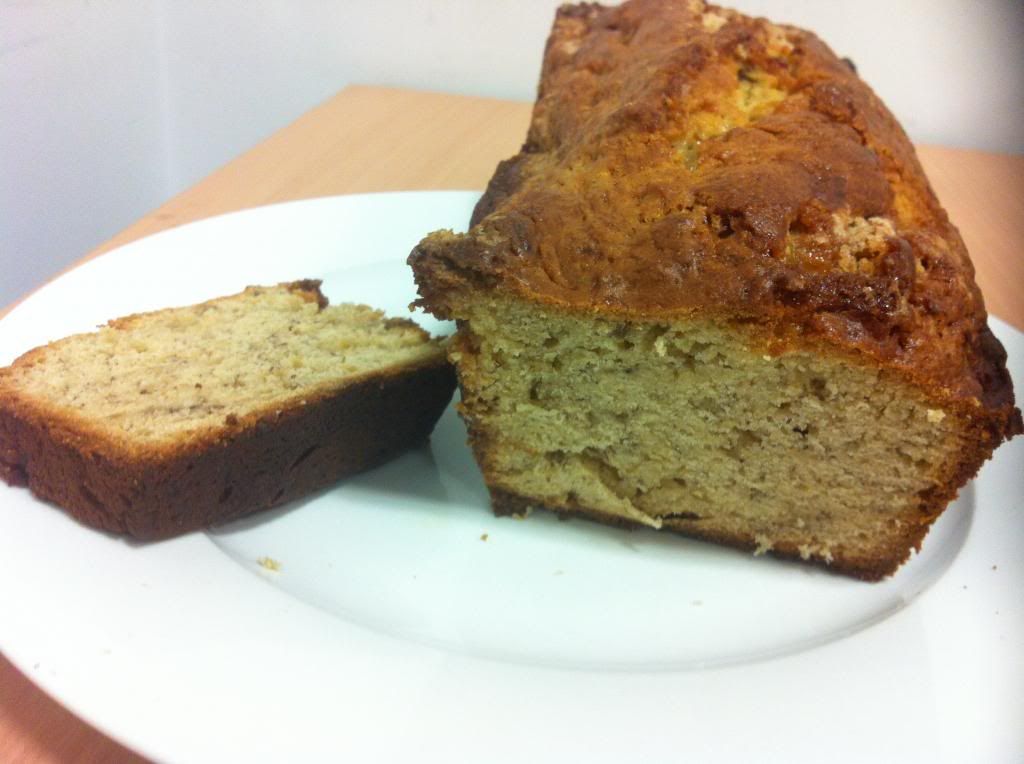
My blog turns six today.  I had intended to celebrate with a fancy cake, but life took over, and instead, I am celebrating with a humble Banana and Cardamom Loaf that I made earlier in the week.

On Friday, my blog received an unofficial pressie from Jacqui and Elena at work, who gave me these adorable heart-shaped measuring cups and cupcake toppers, because they said that my baking makes them happy:


Aren't these adorable!  These gifts made me happy.

My Banana and Cardamom Loaf is by Mike Wallis, from p88 The Clandestine Cake Club Cookbook:


It's not the prettiest cake (in the book they only have photos of a few pieces of it), but it's very tasty, with a lovely crunch on the outside and a soft moist centre:


To make this cake, you will need:
 
120g butter
225g sugar
2 eggs
300g plain flour
4 ripe mashed bananas
1 1/2 teaspoons ground cardamom
1/2 teaspoon salt
75ml yoghurt
2 teaspoons lemon juice
1 teaspoon bicarbonate of soda
 
Preheat your oven to 190 degrees Celsius and grease and line a large loaf tin.
 
Beat the butter and sugar together in a stand mixer until light and creamy.  Beat in the eggs, one at a  time, adding one tablespoon of flour with the eggs.
 
Add the cardamom, bananas  and salt and mix well.  Mix in the yoghurt and lemon juice, then fold in the remaining flour and bicarbonate of soda.  Spread the batter into the prepared loaf tin (my batter was very thick), then bake in the preheated oven for 1 hour or until cooked through.
 
Cool the cake in the tin for a few minutes before unmoulding onto a wire rack to cool completely before cutting.
 
Enjoy!
 
PS  Is anyone in Melbourne running a Clandestine Cake Club, or would anyone like to start one with me?  I think it sounds like fun.

Friday, May 24, 2013

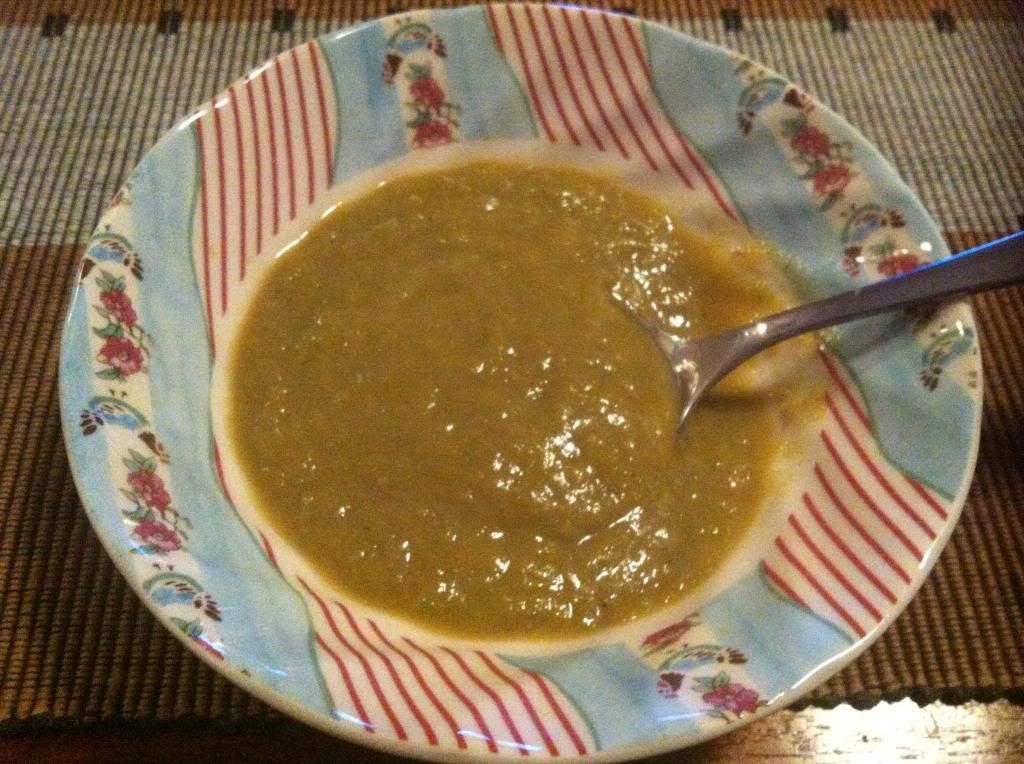
FFwD - Asparagus Soup


... asparagus, tinged with ultramarine and rosy pink which ran from their heads, finely stippled in mauve and azure, through a series of imperceptible changes to their white feet, still stained a little by the soil of their garden-bed: a rainbow-loveliness that was not of this world.
Marcel Proust

It has been an asparagus-tinged week for me - first asparagus in the Savoury Brioche Pockets, then Rigatoni with Peas, Asparagus and Ricotta, and now, Asparagus Soup for French Fridays with Dorie.  Phew!  Luckily I like asparagus. 

I found the steps involved in making this soup a little fiddly - peel the stalks; place the trimmings in cheesecloth and boil with the asparagus etc etc.  The recipe calls for 2 1/2 pounds of asparagus, so peeling all of those spears would have sent me potty.  However, due to the price of asparagus here (end of season) and the fact that I didn't want six serves of soup, I only had to peel six spears, and bulked up the asparagus content with some leftover tinned asparagus that I had in the fridge.   

As expected, this soup tasted predominantly of - well, asparagus.  There's a hint - if you aren't a fan of asparagus, don't make this soup.  It was OK, but didn't light any fires for me.

To see what the other Doristas thought of this soup, visit the LYL section of the website.

Vale Hazel Hawke, who passed away yesterday aged 84.  Hazel was the wife of one of our prime ministers, Bob Hawke.  She reminds me of being a child in upper primary school, when Bob was elected PM, as one of our teachers told the class that if you didn't know the answer in the social studies test, write "Bob Hawke".   I think our teacher was encouraging people to "have a crack" (to use a great Australian colloquialism) rather than to leave the answer blank; however, some students took him literally and wrote "Bob Hawke" as the answer to questions they didn't know, much to the amusement of our class.  Good times!

Wednesday, May 22, 2013

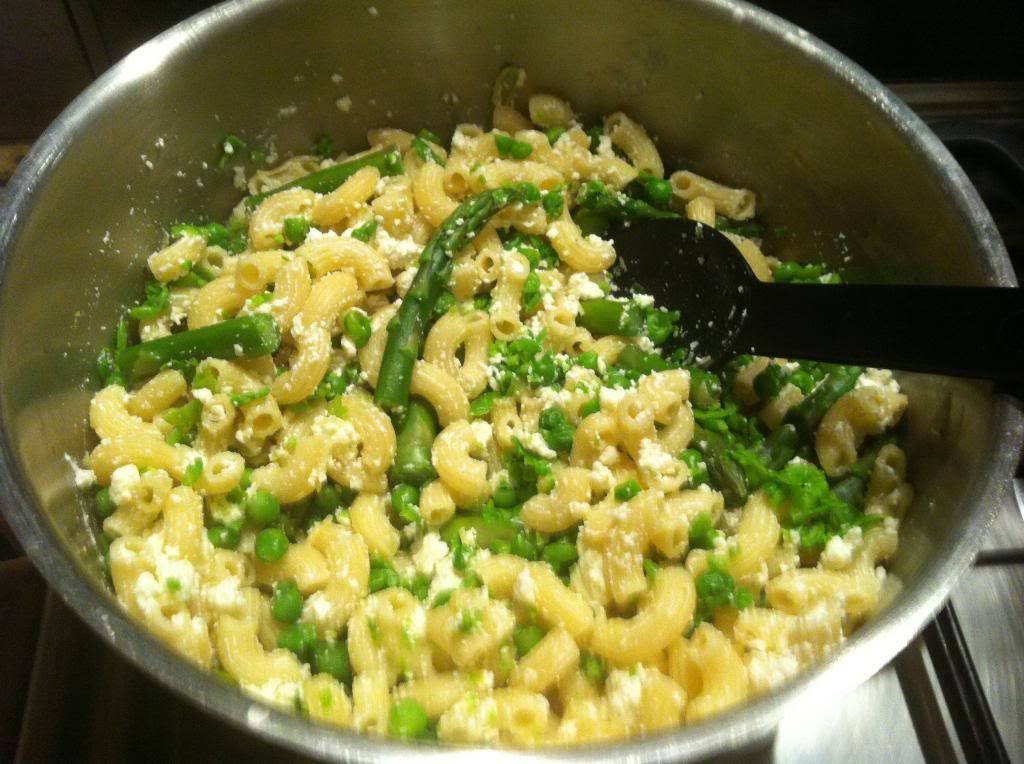
WWDH - Rigatoni with Peas, Asparagus and Ricotta


This week's Wednesday with Donna Hay pick came from Chaya, who selected Rigatoni with Peas, Asparagus and Ricotta from p130 of Modern Classics I.

This is such a simple, light, fresh dish - it comprises pasta with asparagus, peas (whole and mashed) cooked in chicken stock, ricotta, parmesan, salt, pepper and a little olive oil.  It is quick to make and very easy to eat.  I loved it.

To see what Chaya, Margaret and Kayte thought of this dish, visit their websites.

Tuesday, May 21, 2013

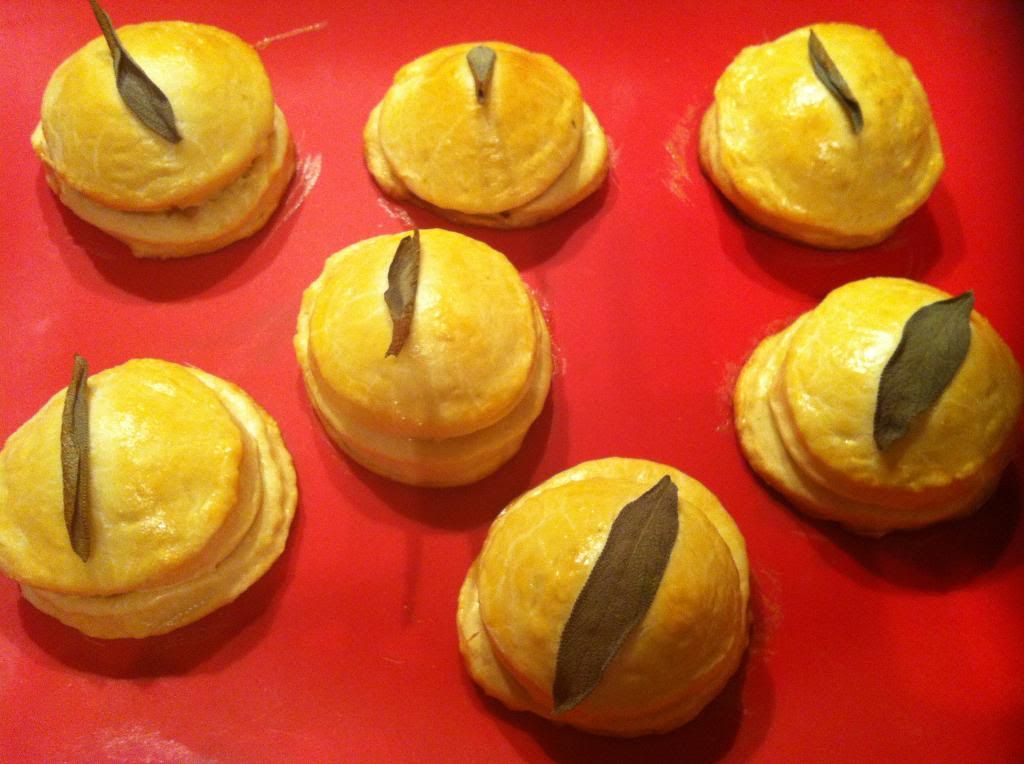
BWJ - Savoury brioche pockets


It's Baking with Julia time again, and this week, our recipe  is Savoury Brioche Pockets, hosted by Carrie of Loaves and Stitches.

These pockets are comprised of a brioche dough, filled with potato, caramelised onion and asparagus, with a sage leaf on top.

I thought these were quite tasty, and they look cute.

To see how the other BWJ bakers  went, visit the LYL section  of the website.

Saturday, May 18, 2013

Basbosa


Do you ever have those moments when you stuff something up without even realising it, but it all works out in the end anyway?  That was the experience I had when I made Basbosa, a traditional Egyptian dessert, using the recipe from Share:  The cookbook that celebrates our common humanityShare is a very special cookbook in that net profits go to support the work of Women for Women International.  It is also a very handsome cookbook, with information and case studies from the various regions where Women for Women operates, interspersed with recipes from chefs and famous people who do charity work, and glorious full page colour photographs.  Some of the recipes are traditional for the region in which they feature, others are most definitely not, meaning there is something for everyone.

I was instantly taken by the recipe for Basbosa, as the accompanying photograph looked delicious, and I was intrigued by something I had never heard of before.  Now, I am not 100% sure whether I stuffed up the recipe or not.  It refers to 240g of cornflour.  In Australia, cornflour means wheaten cornflour, and it struck me that this seemed like a lot of cornflour for the recipe.  However, I made it using the wheaten cornflour, not for a moment thinking anything was not right.  However, the next day, I Googled some other recipes for basbosa (also spelled basbousa, but I use it the way it is spelled in Share), and noticed that most of those recipes used semolina and yoghurt instead of cornflour and cream, as specified by the recipe in Share from Manal Al Sharif (whom I believe to be a Saudi Arabian advocate for women's rights).  Suddenly, the penny dropped - perhaps "cornflour" meant maize flour (cornmeal), not  wheaten cornflour.  The book was published in Britain, and I am sure that the Brits use the term "cornflour" in the same way as Aussies; however, that does not mean that Manal meant it that way, and given that many other recipes use semolina, I have a suspicion that Manal meant cornmeal.

Oh well, it doesn't matter - my version of basbosa seemed to turn out fine, and a couple of people at work said they liked it, so it can't have been all bad, even if I have stuffed up.

I urge you to buy Share, and support a good cause while obtaining a beautiful  and practical book. As a tempter, here is the recipe for basbosa (interpret the reference to cornflour how you will!):

110g melted, cooled butter
2 eggs
225g sugar
3 tablespoons milk
250ml cream
1 teaspoon baking powder
1/2 teaspoon vanilla
240g cornflour
100g dessicated coconut
75g chopped almonds or pistachios (I used flaked almonds)

Syrup

225g sugar
1/2 tablespoon lemon juice
120ml water

Grease a 20cm x 27cm deep rectangular cake tin, and preheat your oven to 180 degrees Celsius.  (Note that I found my slice tray to be too low to hold all of the batter - you do need a high-sided tin.)

Pour the butter into the bowl of a stand mixer, and add the eggs, sugar, milk, cream, baking powder and vanilla, and beat until smooth.  Fold through the cornflour and coconut then spoon the batter into the prepared cake tin. 

Bake the basbosa in the oven for 25-30 minutes or until golden on top and a cake tester comes out clean.  Allow the basbosa to cool in the tin until lukewarm.

In the meantime, make the syrup by placing the sugar bringing the sugar, water and lemon juice in a saucepan over low heat until the sugar dissolves, then bringing the mixture to the boil and simmering for 3-5 minutes until slightly thickened.  (I decided mine wasn't thick enough and let it bubble away for 10 minutes  - err, slightly too long, as I ended up with something resembling taffy that I had to reheat to use.) 

Pour the cooled syrup over the lukewarm basbosa and sprinkle to top of the basbosa with the chopped nuts.  Cut the basbosa into squares. 

Friday, May 17, 2013

FFWD - Lamb and Dried Apricot Tagine - Cook's Choice for Food Revolution Day


Today is Cook's Choice for Food Revolution Day for our French Fridays with Dorie group.  Our assignment:  choose a recipe from Around My French Table that you loved (or would love to try, if it’s a recipe we haven’t made yet!) and Cook it. Share it. With family, friends, colleagues.

What is Food Revolution Day?  To quote the website:

Food Revolution Day is a global day of action for people to make a stand for good food and essential cooking skills. It's a chance for people to come together within their homes, schools, workplaces and communities to cook and share their kitchen skills, food knowledge and resources. Food Revolution Day aims to raise awareness about the importance of good food and better food education for everyone by focusing on three simple actions – cook it, share it, live it.


I chose to make Lamb and Dried Apricot Tagine from p284 of Around My French Table.  You can find the recipe to make it in the book, or online here.  The photos below take you step by step through that recipe.

First, you put some dried apricots in chicken stock to plump up:


In the meantime, you brown some cubed lamb shoulder in a little oil on the stovetop:


Next, after removing the lamb from the pan, you cook some chopped onions and garlic in a little more oil:


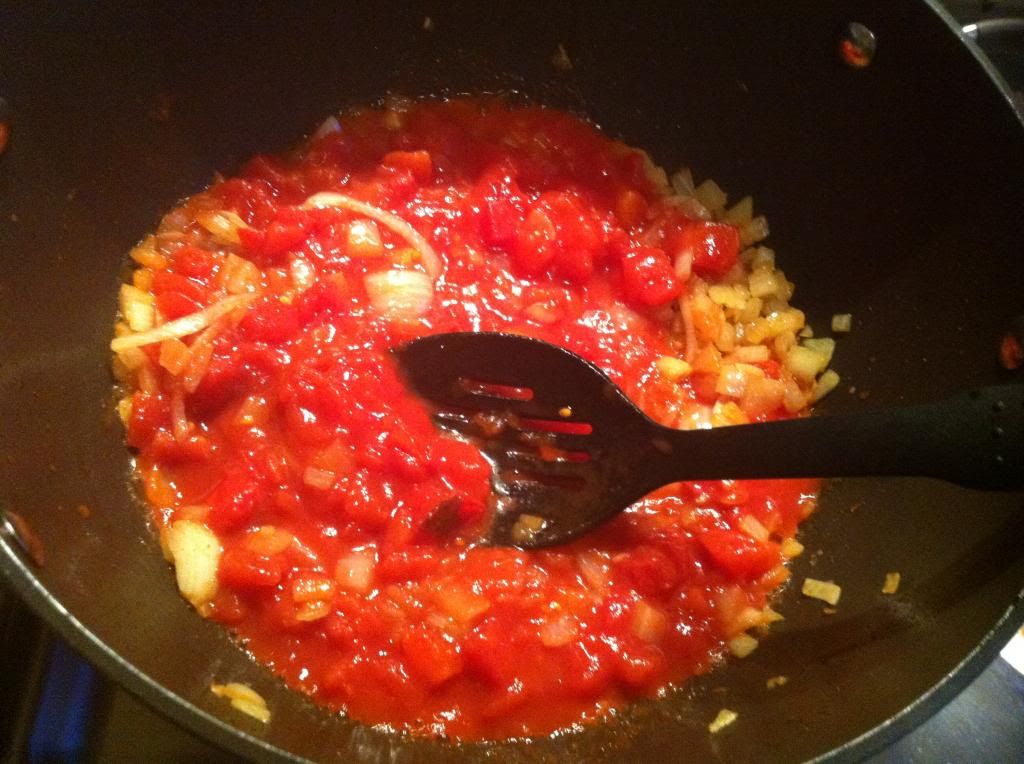
and add a tin of tomatoes:


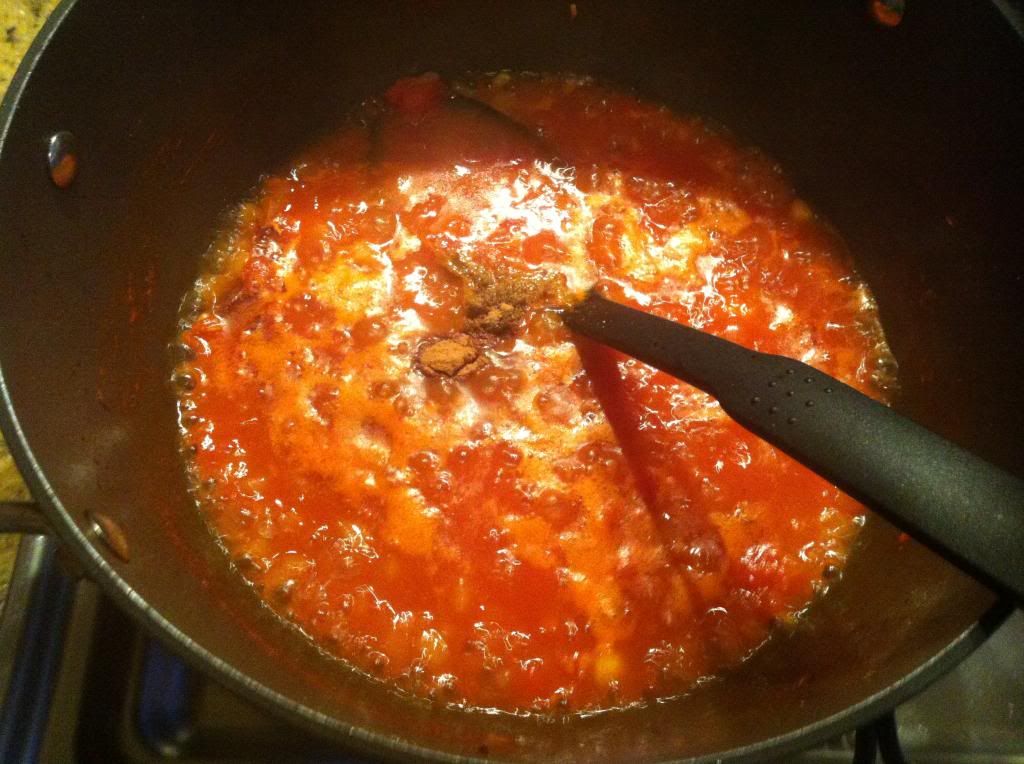
After reducing the tomatoes for 10 minutes, you add the chicken stock (sans dried apricots), dried chilli, coriander, saffron, ginger, cumin, cinnamon and two teaspoons of fresh coriander  (if you have it):


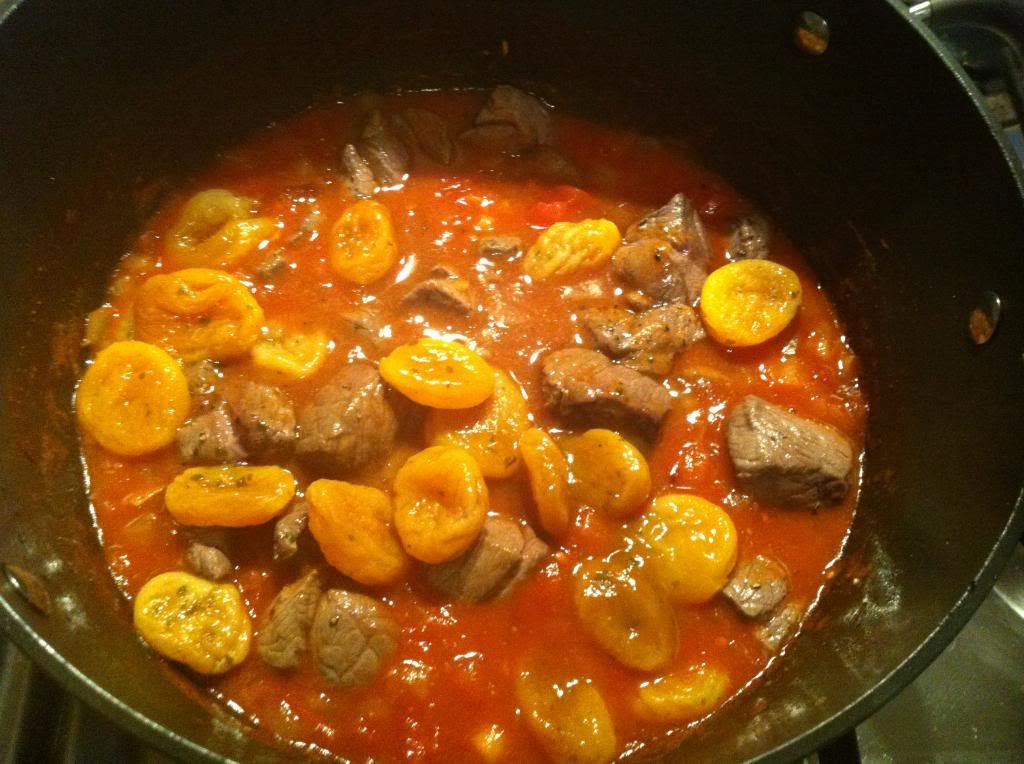
Put the meat and dried apricots on top:


cover the pot with alfoil, pop the lid on your pot, and cook the tagine in the oven for an hour.  Add a handful of toasted almonds and cook for another 15 minutes.

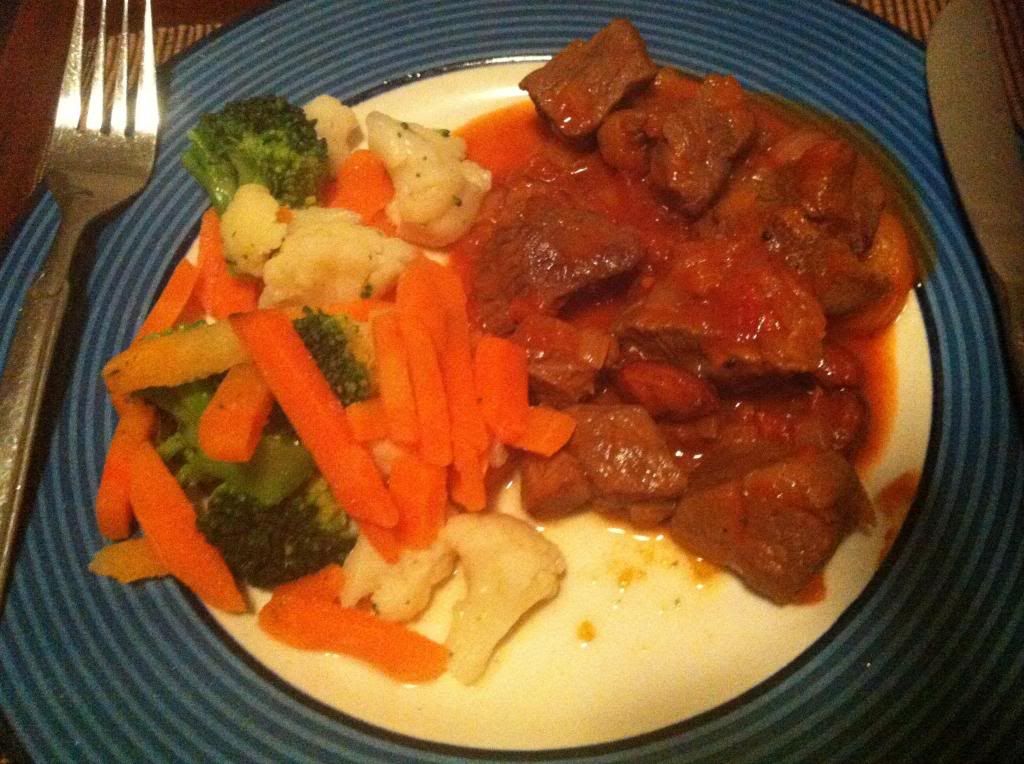
Serve and enjoy:


This tagine has a lovely zing to it - if you don't like zing, you can adjust the spices to your taste.  However, the overall flavour is just devine in my view - sweet and savoury and spicy, with soft, melty meat.  I served mine with steamed veges and leftover risotto.

You can find out what the other Dorie cooks made for Food Revolution Day by visiting the LYL section of the FFWD website.

Wednesday, May 15, 2013

WWDH - Arancini


This week, we travel to Italy for Wednesdays with Donna Hay as Margaret chooses Arancini from Modern Classic Book I.

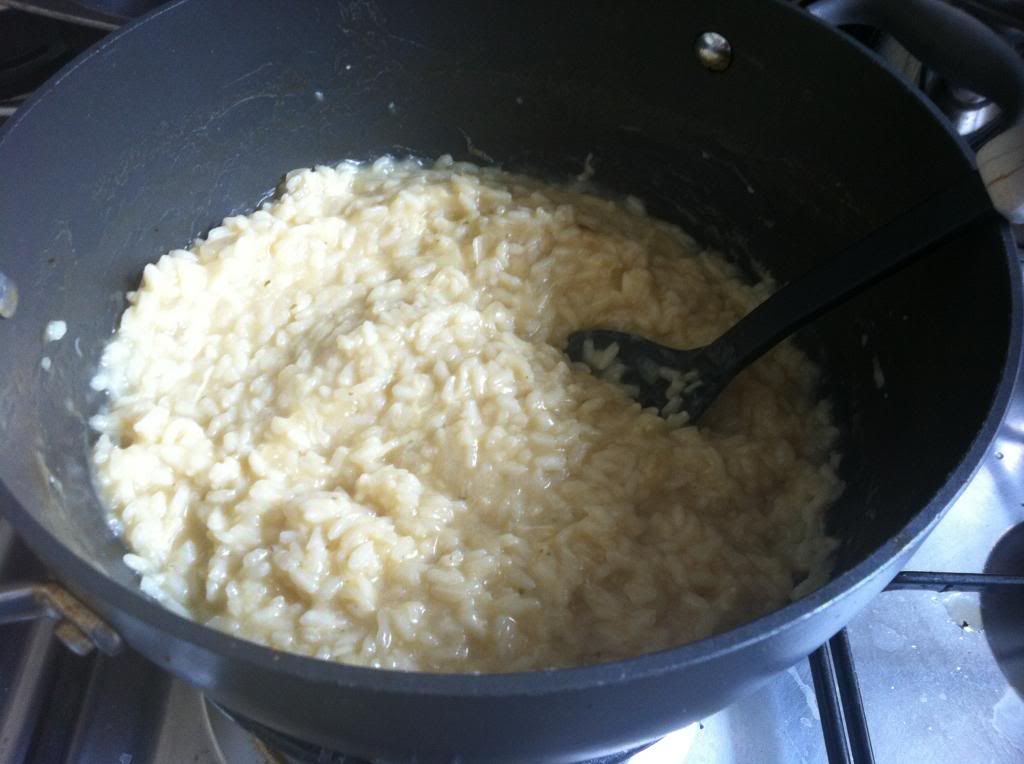
This is a double recipe, as before you can make the arancini, you have to make Donna's lemon and parmesan risotto.  Here is the risotto:


I had some of the risotto for lunch with a small tin of salmon mixed through - it was delicious.

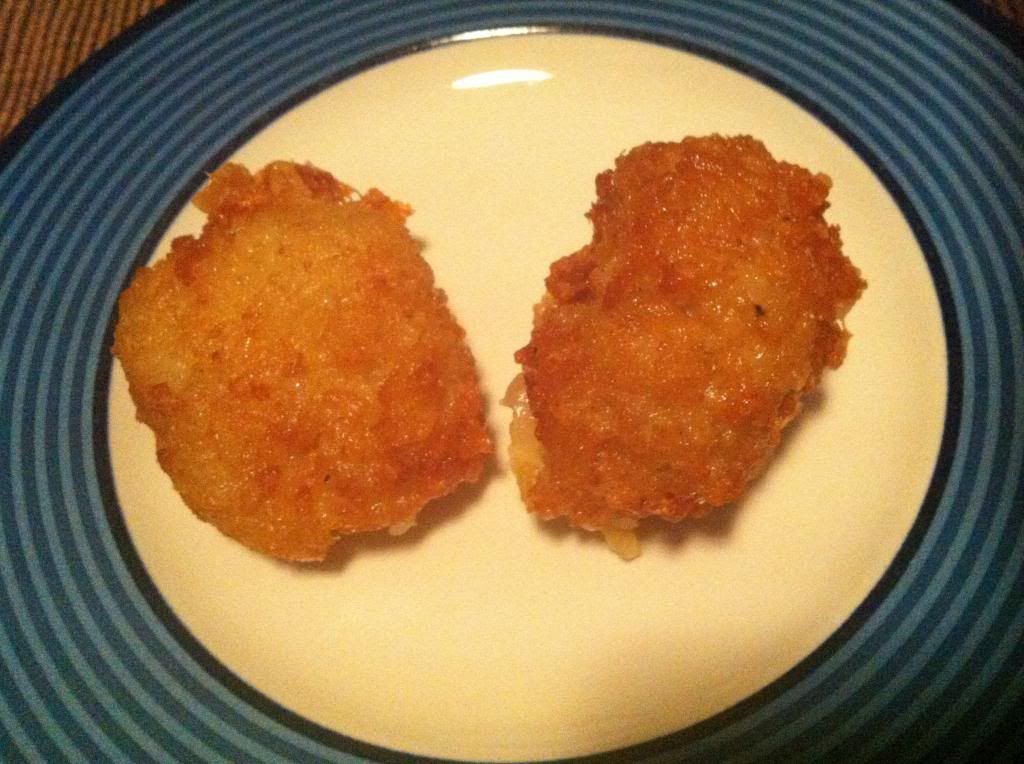
Here is  peek inside the arancini:


I used pieces of light cheddar cheese to stuff my arancini instead of the mozzarella from a practicality and cost saving perspective. My arancini took about double the 3-4 minute cooking time recommended by Donna. The arancini were delicious, but obviously they are not every day food as they are deep fried. For that reason, I only made two arancini and will use the rest of the risotto as a side with another dish. 

To see what Margaret, Kayte and Chaya thought of these arancini, visit their websites.